

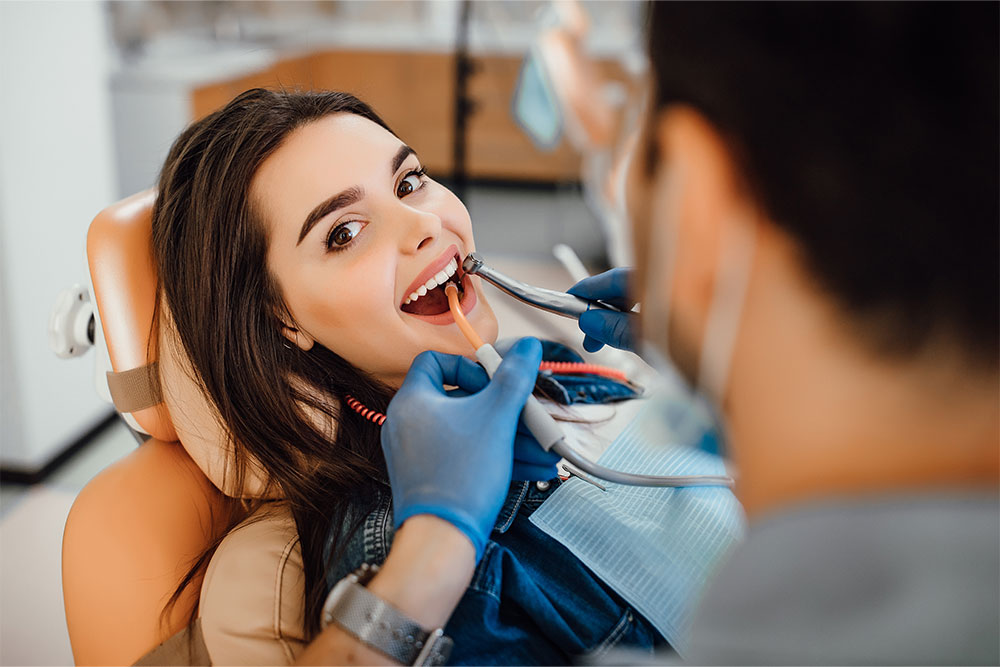
A silent revolution has been taking place in the world of dentistry in recent years. The focus is no longer simply on “cleaning and filling cavities,” but on restoring the tooth to its natural structure, flexibility, and biomechanics as close as possible to its original state. This approach, successfully applied at Dr. Aslı Kumru’s clinic, is called Biomimetic Dentistry.
So, what are the fundamental differences that distinguish the biomimetic approach from traditional dentistry? Why does this method extend the life of your teeth? Let’s take a closer look at this treatment philosophy inspired by nature.
What is Biomimetics?
Derived from the Latin words “bios” (life) and “mimesis” (imitation), biomimetics in dentistry refers to restoring a tooth by mimicking its enamel and dentin layers. The goal is to restore not only the appearance but also the function and durability of the tooth in a way that is true to its natural state.
1. Minimally Invasive Approach; Maximum Protection
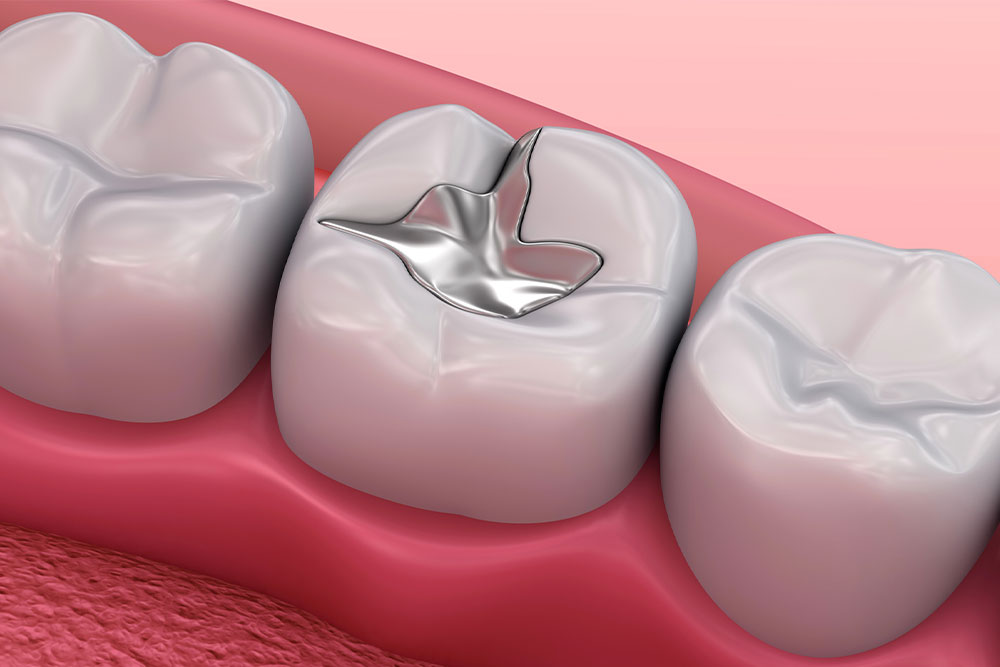
In traditional dentistry, it is often necessary to remove some healthy tooth tissue in order for a filling or porcelain crown (veneer) to adhere to the tooth.
- Classic: Healthy parts of the tooth may be sacrificed to ensure “retention”.
- Biomimetic: Only the damaged tissue is removed. Following the principle of “maximum preservation,” the tooth’s own sound structure is preserved, and strong microscopic bonds are formed upon it.
2. Reduces the need for root canal treatment and crowns.
In traditional methods, a large cavity usually results in “root canal treatment and full crown.” Biomimetic dentistry, however, repairs the tooth layer by layer thanks to advanced adhesive techniques.
- Classic: In cases of deep cavities, the rate of direct root canal treatment is higher.
- Biomimetic: Focuses on preserving the nerve tissue (pulp) of the tooth. Thanks to restorations performed with stress-reducing techniques, many teeth can be saved without the need for root canal treatment.
3. Flexibility and Durability
A natural tooth flexes at a microscopic level under chewing forces. Traditional filling materials or metal-supported crowns can sometimes be much harder than the tooth itself, leading to cracks in the rest of the tooth.
- Classic: Because the restoration is very rigid, it can put excessive stress on the root or lateral walls of the tooth over time, causing cracks.
- Biomimetic: The biomaterials used (composites and ceramics) have a similar flexibility coefficient to the tooth’s natural dentin layer. They “move” with the tooth, which ensures long-term success.
4. Bacterial Sealing
Special protocols used in biomimetic treatments create a hybrid layer between the restoration and the tooth. This prevents microleakage.
- Classic: Leaks that develop over time at the edges of traditional fillings can lead to subcutaneous caries, which we call “secondary caries.”
- Biomimetic: Because a very strong and leak-proof bond is formed, the internal structure of the tooth is protected like a fortress against bacteria.
Why Choose Biomimetic Dentistry?
Dr. Aslı Kumru’s biomimetic approach, blended with a holistic perspective, offers not only an aesthetically pleasing smile, but also:
- Less pain
- Longer-lasting teeth,
- Offers biocompatible materials.
Biomimetic dentistry views the tooth not as an “inanimate object” but as a living organ, and uses the most advanced scientific methods to preserve it. If you want to preserve your teeth in their most natural state without cutting or root canal treatment, biomimetic methods may be the right choice for you.